A deified man
Antinous
A historical Bithynian youth, companion of the emperor Hadrian, deified after his death in the Nile in 130 CE. Not a mascot, and not a simple love story.
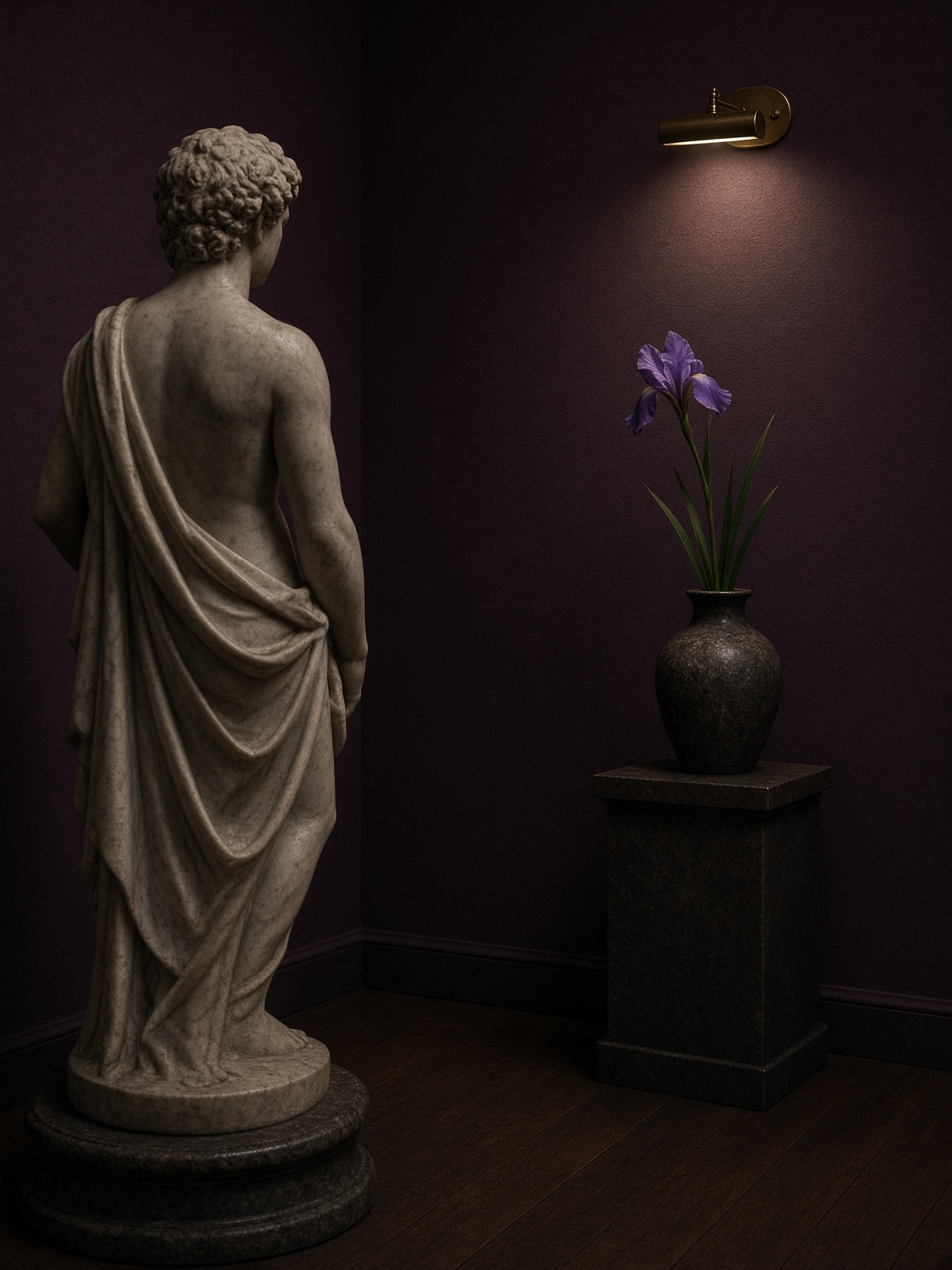
Antinous was a real person from Bithynia, in northwest Anatolia, born near the turn of the second century CE. He became the beloved companion of the Roman emperor Hadrian and died in the Nile in October 130, during an imperial tour of Egypt. Hadrian founded the city of Antinoopolis near the place of death, established games and a cult, and filled the empire with portraits. That cult is one of the best documented deifications of a contemporary man in Roman religion. It is not a myth that floated free of politics.
Power, age, and the problem with romance
Hadrian was emperor. Antinous was young, dependent, and not a co-equal spouse in any legal sense Rome made available to two men. Whatever tenderness existed — and Hadrian’s grief is heavily attested by the scale of the cult — the relationship sat inside an imperial hierarchy and inside Roman patterns of sex that often paired an adult citizen man with a younger partner. Modern readers who want a gentle gay marriage in the ancient world will not find it here without cutting away the empire. Do not cut it away. You may still grieve the boy in the portraits. Grief is not the same as a template.
The ancient cult, briefly
Temples, priesthoods, sculptures, and games honored Antinous across the empire, often in forms that blended Greek athletic youth with Egyptian divine imagery, including Osiris. Cities issued coins. This is religion, not a fan club, and it was also propaganda: the emperor’s love made monumental. Both things are true.
Modern Antinoan religion
In our century, practitioners — notably communities such as the Temple of Antinous — have built a living polytheist devotion around him, sometimes called a gay god, with their own rites and their own door. That is a contemporary religion. It is not the same thing as the second-century cult, and this page is not their membership manual. If you want their teaching, go to them. Do not lift it from a summary.
A modern devotion, clearly labeled
A plain honoring
- 1Read one honest paragraph of history before any prayer. This page will do.
- 2Set a glass of water and, if you wish, a flower. No need for a replica bust.
- 3Say: “Antinous, deified dead, I do not pretend the empire was kind. I remember a person, not a product. If I ask anything, I ask courage to refuse unequal bargains in my own life.”
- 4Do one concrete thing that reduces someone else’s vulnerability: a donation to a youth shelter you have checked, a shift of attention toward a friend who is being leaned on by a powerful person, a boundary of your own.
- 5Pour out the water. Do not keep a shrine that slides into erotic use of his image. The portraits are of a youth. Leave them as portraits.
I will not call exploitation fate, and I will not call grief nothing.
Sources and further reading
- Livius.org, for Roman historical essays and sources
- Britannica
- Temple of Antinous (contemporary community, not our parent)
- British Museum collection search